
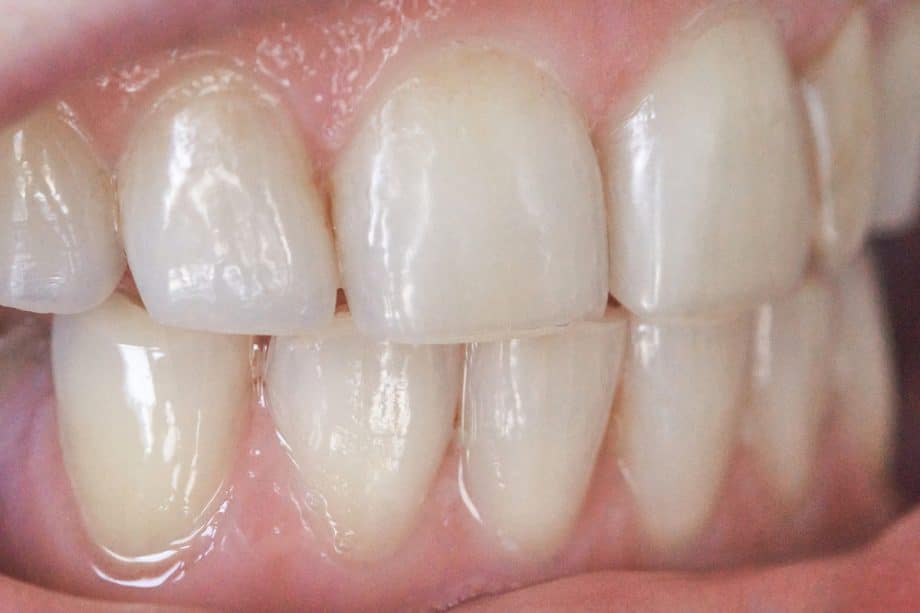
Getting a dental restoration puts you one step closer to a healthier, fully functioning mouth. Whether your dentist placed a filling, a crown, a bridge, or an implant, that work needs consistent care to hold up over time. Restorations can last for years—sometimes decades—but only if you give them the attention they deserve. The encouraging part? You do not need a complicated routine. A few steady habits protect your investment every day.
What Should You Avoid Eating After a Dental Restoration?
The first 24 to 48 hours after a restoration matter more than most patients realize. Your tooth and the tissue around it are still settling, and the wrong foods can stress or dislodge the new work before it fully sets.
Steer clear of these foods immediately after treatment:
- Hard or crunchy foods — ice, hard candies, nuts, and raw vegetables
- Sticky foods — chewy candy, caramel, and chewing gum can pull directly at crowns and fillings
- Very hot or cold foods and beverages — temperature sensitivity is common after a restoration and can trigger sharp, sudden discomfort
- Alcohol — certain bonding materials need time to cure, and alcohol can interfere with that process
Once sensitivity settles down, you can return to most of your regular diet. Even so, make a habit of not biting directly into hard foods with a restored tooth. Restorations hold up well under normal use, but they do not match the full strength of an untouched natural tooth.
How Should You Clean and Maintain a Restored Tooth?
Your daily hygiene routine does just as much to protect a restoration as it does your natural teeth. The tissue around a filling, crown, or implant stays vulnerable to decay and gum disease. Cleaning that area thoroughly every day cuts your risk of complications that could undermine the work your dentist completed.
Build these habits into your daily routine:
- Brush twice a day with a soft-bristled toothbrush. Medium and hard bristles scratch the surface of crowns and composite restorations.
- Floss once a day, focusing on the margin where the restoration meets the gum line. Bacteria and food debris collect there and can drive decay beneath or around a crown.
- Choose a non-abrasive toothpaste. Many whitening toothpastes contain abrasive particles that wear down composite fillings and porcelain crowns over time.
- Ask your dentist about an antibacterial mouthwash, especially in the days right after treatment when gum tissue tends to feel irritated.
If you have an implant, add an interdental brush or a water flosser to your routine. Standard floss does not always reach every surface around an implant abutment. Keep the implant site clean, and the bone and gum tissue supporting it will stay healthy.
When Should You See Your Dentist After Restorative Treatment?
Getting a restoration completed does not close the loop on your care—it opens a new chapter. Returning to your dentist on a regular schedule gives them the chance to spot early signs of wear, shifting, or decay before a manageable issue turns into a costly one.
Here is what to plan for:
- Schedule a follow-up appointment within a few weeks of your procedure if your dentist requests one. Certain restorations benefit from a check after the area has fully healed.
- Keep up with cleanings every six months. Professional cleanings clear away buildup your toothbrush cannot touch and give your dentist a chance to assess the restoration's condition.
- Call your dentist right away if you notice sensitivity that worsens rather than fades, a rough or sharp edge, a shift in your bite, or visible cracks. Do not wait for your next scheduled visit.
If you grind your teeth at night—a condition called bruxism—ask your dentist about a custom night guard. Grinding places repeated, concentrated pressure on restorations and can fracture or loosen a crown or filling well before its expected lifespan.
Protecting Your Smile Starts With the Right Support
A restoration is only as strong as the care you give it. With the right daily habits in place, your filling, crown, bridge, or implant can serve you well for many years. Keep things simple: brush and floss consistently, make smart food choices, and show up for your regular appointments. Our restorative dentistry services at Oak Road Dentistry follow that same principle—delivering work built to last, backed by guidance that keeps it that way.
Frequently Asked Questions About Restorative Dentistry
How long does a dental restoration last?
The lifespan of a restoration depends on its type and how well you care for it. Composite fillings typically hold up for seven or more years. Crowns, bridges, and implants often last 10 to 25 years or longer when you clean them regularly and visit your dentist for routine checkups.
Is it normal to feel sensitivity after a filling or crown?
Yes. Mild sensitivity to temperature or pressure commonly follows a restoration and usually clears up within one to two weeks. If sensitivity lingers beyond that window or gets worse instead of better, call your dentist. The bite may need a minor adjustment, or the area may need a closer look.
Can decay form under a crown or around a filling?
Yes. Decay can develop at the margin where the restoration meets the natural tooth, particularly when plaque builds up in that zone. Brushing, flossing, and scheduling professional cleanings consistently lower this risk. Your dentist will examine those margins at every routine visit and flag any early signs of trouble.
Do I need to change my toothbrush or toothpaste after getting a restoration?
A soft-bristled toothbrush works best for everyone, and it becomes especially important once you have a restoration. Many whitening toothpastes use abrasive agents that wear down composite and porcelain surfaces faster than you might expect. Ask your dentist to recommend products that suit your specific restoration type.
What should I do if my crown or filling feels loose?
Call your dentist as soon as possible. Do not try to push the restoration back into place on your own, and avoid over-the-counter adhesives as anything more than a very short-term measure. A loose crown or filling exposes the tooth underneath to bacteria and further damage. Acting quickly protects the tooth and reduces the chance of needing more extensive treatment.
At Oak Road Dentistry, we have served the Snellville, GA community for more than 20 years, providing comprehensive dental care to patients of all ages across Gwinnett County. From routine cleanings to full restorations, our team gives every patient the attention they deserve. To schedule an appointment or ask us a question, contact us today.