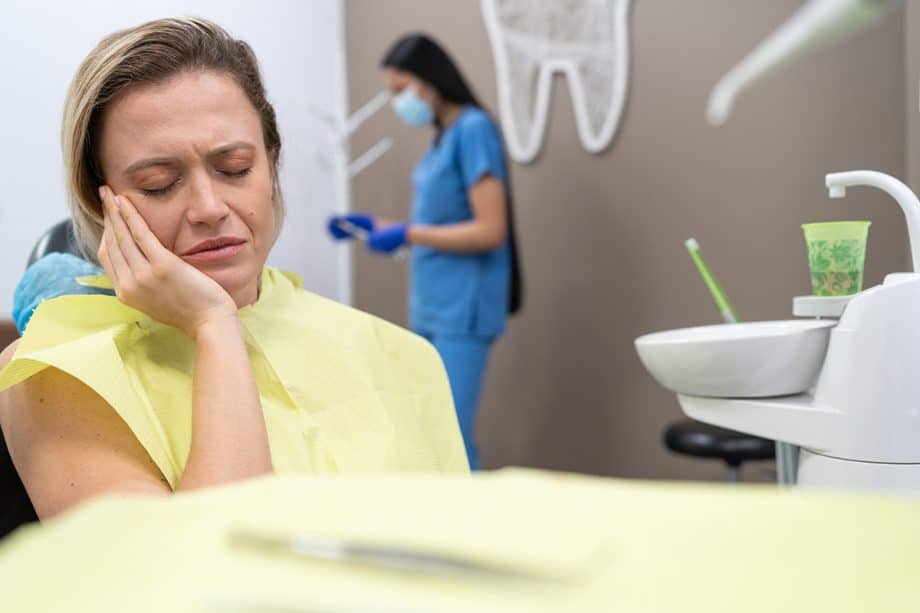
Something goes wrong with a tooth, and your first instinct is to grab your keys. But where are you actually headed — the dentist's office or the emergency room? Families in Snellville and Gwinnett County face this question more often than you'd think, and the answer isn't always obvious. At Oak Road Dentistry, we've been your hometown dental practice for more than 20 years, and we're here for you when those moments happen — both during office hours and after. The right call depends on the type of injury. Making the right call can save you time, money, and sometimes a tooth.
Why an Emergency Dentist Often Makes the Best First Call
Teeth, gums, and dental nerves fall squarely in a dentist's area of expertise. Emergency room physicians do essential, life-saving work — but most ERs do not staff a dentist. When a tooth injury brings you to the ER, the team there can ease your pain, prescribe antibiotics for an infection, and point you toward a dentist. What they typically cannot do is repair a cracked tooth, perform a root canal, or splint a loose tooth back into position. Many patients leave the ER still needing a dental appointment — which means two trips instead of one.
When you call Oak Road Dentistry during office hours, we do our best to see you the same day. Drs. French and Poore are trained to find the source of the problem — taking dental X-rays, assessing the damage, and restoring it with the right treatment, whether that's bonding, a crown, root canal therapy, or splinting. Our practice proudly serves both current patients and those who haven't visited us before, so you never have to wonder if you qualify for urgent care. When you reach a practice that offers emergency dentistry, you leave with the problem treated — not just temporarily managed. That difference matters when every hour counts.
Injuries an Emergency Dentist Can Treat
- Knocked-out permanent teeth
- Chipped, cracked, or broken teeth
- Loose or displaced teeth
- Severe toothaches or dental abscesses (when breathing and swallowing remain normal)
- Lost or broken fillings and crowns
- Minor cuts to the gums, lips, or tongue
When You Should Go to the ER Instead
Some injuries go beyond the teeth and put your health at real risk. A forceful blow from a car accident, a hard fall, or a collision on the field can injure your jaw, head, or airway. Emergency room doctors have the tools and training to stabilize those situations quickly. Your safety always comes first — the tooth can wait.
Once the ER team handles what's serious, call us, and we will take care of the dental side. After hours, call our main number and follow the prompts — one of our doctors will get back to you as soon as they are able. When in doubt about whether a symptom is life-threatening, go straight to the ER or call 911. We will be ready to help once you are safe.
Signs That Mean You Need the ER
- Bleeding that does not slow after 10 to 15 minutes of firm, steady pressure.
- A jaw that looks out of place, locks, or causes severe pain when you move it — possible signs of a fracture
- Swelling in the face, mouth, or neck that interferes with breathing or swallowing
- Loss of consciousness, confusion, dizziness, vomiting, or a severe headache following a blow to the head
- Facial swelling combined with a high fever—a possible sign of a spreading infection.n
- Deep or large lacerations to the face
How to Protect Your Tooth Until You Get Care
What you do in the first hour after a tooth injury can shape the outcome. A few calm, deliberate steps can protect the tooth and ease the discomfort while you make your way to us.
For a Knocked-Out Tooth
- Pick up the tooth by the crown — the visible part — and avoid touching the root.
- If it looks dirty, rinse it gently with milk or clean water for a few seconds. Do not scrub it or remove any tissue still attached.
- Try to place the tooth back into its socket and bite down gently on a clean cloth to hold it there.
- If reinsertion isn't possible, keep the tooth moist in a small container of milk. Adults can also tuck it between the cheek and gum — but skip that option for young children, who may swallow it.
- Do not store the tooth in plain tap water.
- Never try to reinsert a baby tooth. Doing so can damage the permanent tooth developing beneath it.
For a Chipped or Cracked Tooth
- Rinse your mouth with warm water.
- Save any broken pieces and bring them along.
- Hold a cold compress against the outside of your cheek to reduce swelling.
- Take an over-the-counter pain reliever as directed on the label. Do not place aspirin directly on the gum — it can burn the tissue.
For a Loose or Shifted Tooth
- Use very light finger pressure to ease the tooth toward its natural position. Never force it.
- Bite down gently to keep it from shifting further.
- Call us right away. A loose tooth often needs a splint to heal properly.
Getting the Right Care When It Matters Most
The rule is straightforward. Head to the ER when an injury affects your breathing, swallowing, or consciousness, or when bleeding won't stop and a jaw fracture seems possible. For injuries that stay within the mouth — teeth, gums, and surrounding tissue — call a dentist first. You will get faster, more targeted care and leave with the problem resolved rather than postponed. We've proudly served families in Snellville and Gwinnett County for more than 20 years, and that kind of trust matters most on difficult days. Save our number — 770-985-9559 — before anything ever goes wrong. When something does, our team will be ready.
Frequently Asked Questions About Emergency Dentistry
What counts as a dental emergency?
A dental emergency is any situation that needs prompt care to save a tooth, relieve serious pain, or stop an infection from spreading. Knocked-out teeth, broken teeth, severe toothaches, and swelling around a tooth all qualify. When you are unsure, call your dentist, describe what you are experiencing, and let us help you decide the next step.
Can the ER fix a broken tooth?
Most emergency rooms cannot repair a broken tooth because they do not have a dentist on staff. ER providers can manage pain and prescribe antibiotics, and they may refer you to a dentist — but the actual repair requires a dental visit. Calling an emergency dentist first usually gets you to the right care faster.
How quickly should I see a dentist for a knocked-out tooth?
Speed matters a lot with a knocked-out permanent tooth. Dental professionals recommend reaching a dentist within 30 minutes to an hour for the best chance of saving it. Keeping the tooth moist in milk during transport also improves your odds.
Should I go to the ER for a severe toothache?
A severe toothache usually calls for a dentist, who can identify and treat the underlying cause. Go to the ER if the pain accompanies facial swelling that affects your breathing or swallowing, or if you develop a high fever. Those symptoms may point to an infection that has spread beyond the tooth.
How can I prevent tooth injuries?
Wearing a mouthguard during contact sports and high-impact activities is one of the most effective ways to protect your teeth. Avoid chewing on ice or hard candies, and never use your teeth to open packaging. Regular checkups also let us spot weakened or cracked teeth before they become emergencies.
At Oak Road Dentistry, we've proudly served families and patients of all ages in Snellville and across Gwinnett County, GA, for more than 20 years. We offer comprehensive care—from routine cleanings to urgent repairs—and we treat everyone who walks through our door like a member of our own family. If a dental concern catches you off guard, contact us and let our team help you get back to smiling.